


 Siem Reap


Ta Kor Ecotourism area, nestled in the heart of Srok Angkor Chum district in Siem Reap province, Cambodia, stands as a testament to the country's commitment to preserving its natural heritage while promoting sustainable tourism. This lush haven, relatively unknown to mass tourism, offers visitors a rare glimpse into Cambodia's diverse ecosystems and traditional rural life.
The area is dominated by a sprawling wetland ecosystem, characterized by its expansive flooded forests and serene waterways. During the wet season, which typically runs from May to November, the landscape transforms into a mesmerizing aquatic world. The rising waters create a complex network of channels and submerged forests, providing crucial habitats for a wide array of flora and fauna.
One of Ta Kor's most striking features is its abundance of water birds. The wetlands serve as an important stopover for migratory species and a permanent home for many others. Lucky visitors might spot the endangered Sarus crane, whose graceful silhouette against the setting sun is a sight to behold. Other notable avian residents include various species of herons, egrets, and kingfishers, their vibrant plumages adding splashes of color to the verdant landscape.
The flooded forests of Ta Kor are a unique ecosystem in themselves. These resilient trees have adapted to spend part of the year submerged in water, creating an otherworldly environment that can be explored by boat during high water periods. The gnarled trunks and partially submerged canopies create an enchanting, almost mystical atmosphere that photographers and nature enthusiasts find irresistible.
In the drier months, as the waters recede, Ta Kor reveals yet another face. The exposed mudflats become feeding grounds for wading birds, while the drying pools concentrate fish, attracting a variety of predators. This cyclical change in water levels is crucial for maintaining the area's biodiversity and supporting local livelihoods.
The ecotourism initiative in Ta Kor goes beyond just showcasing nature. It actively involves the local communities in conservation efforts and sustainable development. Visitors can participate in guided tours led by knowledgeable local rangers, gaining insights into traditional fishing methods, medicinal plants, and the delicate balance between human needs and environmental preservation.
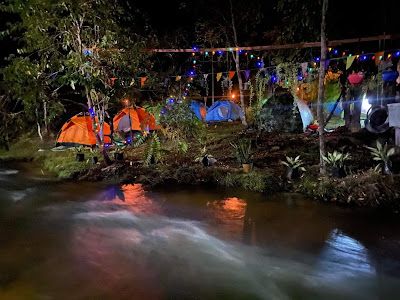
For those seeking a deeper connection with nature, Ta Kor offers opportunities for kayaking, birdwatching, and even overnight stays in rustic ecolodges. These experiences not only provide unforgettable memories but also contribute to the local economy and incentivize the continued protection of this unique ecosystem.
As Cambodia continues to develop its ecotourism sector, Ta Kor stands out as a shining example of how natural beauty, community engagement, and sustainable practices can coexist harmoniously, offering hope for the future of conservation in Southeast Asia.

Takorn Ecotourism Area is located in Angkor Chum District, Siem Reap Province, about 30 kilometers northeast of Siem Reap City. This quiet and undiscovered destination offers an escape from the usual tourist spots, offering the opportunity to explore Cambodia’s natural ecosystems and rural landscapes. The wetland ecosystem, especially during the rainy season, is a key feature that makes it unique.
Admission to the Tagorn Ecotourism Area is generally affordable; boat trips through the flooded forest or bird watching tours can be more expensive. These prices help support local communities and conservation efforts in the area.
The Tagorn Ecotourism Area is open to visitors all year round, but the best time to visit is during the rainy season, from May to November, when the wetlands are fully flooded and wildlife is abundant. Guided tours generally operate during the day from 7:00 AM to 5:00 PM. Visitors interested in overnight stays should check availability with local operators, as these may require advance booking.
To reach the Tagore Ecotourism Area from Siem Reap, visitors can take a rickshaw or car, with the journey usually taking around 30 to 40 minutes. Guided tours can often be arranged with local operators, who provide transportation and expert guidance. It is recommended to book tours in advance, especially during the rainy season when the area attracts more tourists.
While visiting the Tagore Ecotourism Area, travelers can also explore the nearby natural and cultural attractions. The famous Angkor Wat temple is a short drive away, allowing for an easy combination of nature and history in a day trip. Siem Reap itself offers attractions such as the Angkor National Museum, a lively pub street, and local markets where tourists can experience the city’s cultural heritage. Tonle Sap Lake, another ecological hotspot, is also accessible for those interested in learning more about Cambodia’s natural landscape.
Written by Siem Reap Wonder Team