

Share

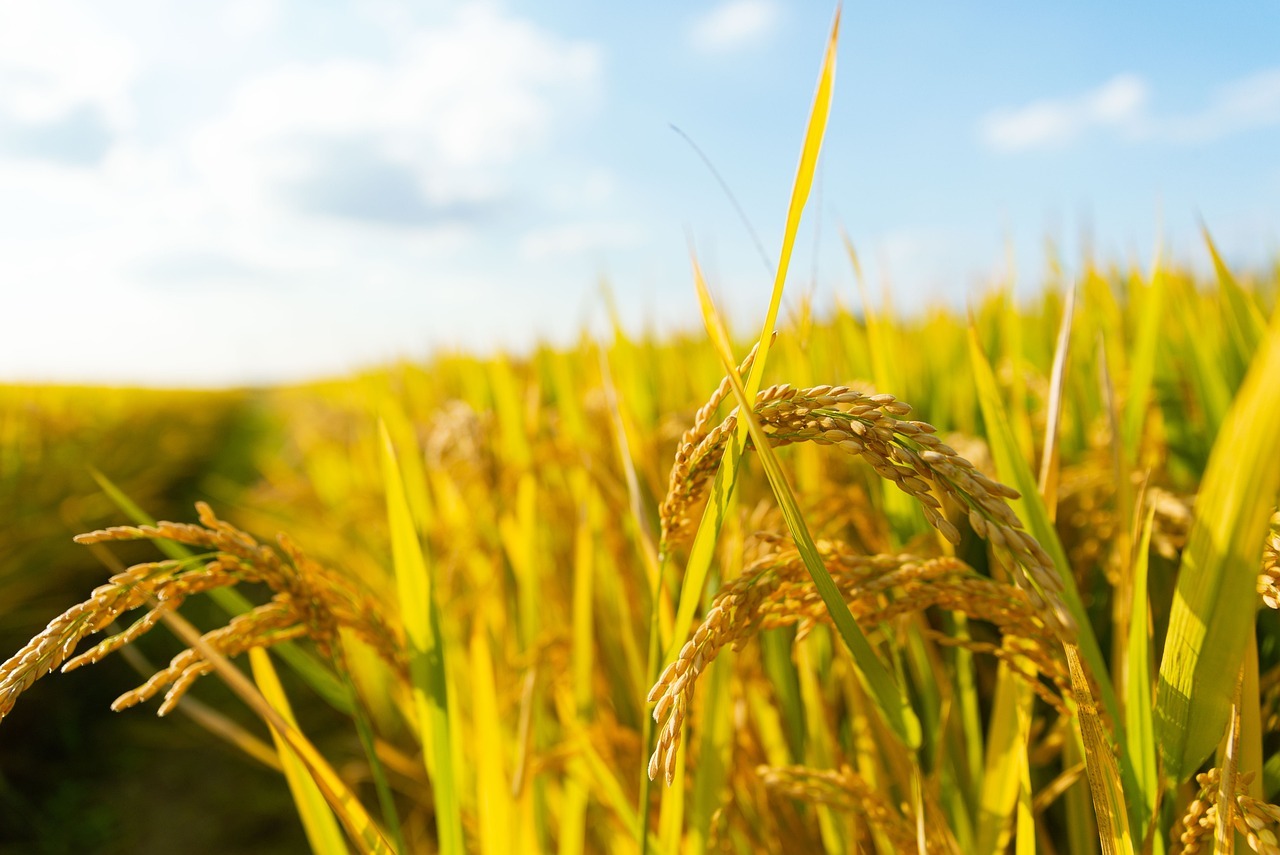
Siem Reap’s Timeless Rain Ritual is an ancient
ceremonial tradition performed to invoke rain and ensure agricultural
prosperity. Rooted in Khmer spiritual beliefs and Buddhist practices, the
ritual is typically held before the rainy season, when farmers prepare to plant
rice. Villagers gather at sacred sites—often near temples or pagodas—bringing
offerings of food, incense, flowers, and holy water. Monks chant prayers while
participants engage in symbolic acts such as water sprinkling and lighting
incense to call upon the spirits of nature. Traditional music and dance may
accompany the ceremony, creating a vibrant and sacred atmosphere. The ritual
reflects the deep connection between the Cambodian people, their land, and the
forces of nature, preserving a cultural legacy that honors harmony, hope, and
renewal. Siem Reap’s Timeless Rain Ritual is a traditional ceremonial
practice rooted in ancient Khmer culture, performed to invoke rainfall,
ensure fertile land, and bring blessings to the community. Deeply spiritual and
symbolic, the ritual reflects the agrarian heart of Cambodia, where rain is
vital for rice cultivation and rural life.
Overview:
Cultural and Spiritual
Significance:
Modern Observance:
Though less common today, some villages in the Siem Reap
province continue this ritual as part of cultural festivals, eco-spiritual
tourism, or local heritage preservation efforts.
Magha Puja Day, known in Cambodia as Meak Bochea
Day, is an important Buddhist holiday celebrated on the full moon of the
third lunar month (usually in February). The day commemorates a significant
event in the life of the Buddha known as the Fourfold Assembly (Chatu
Sangha), when:
1.
1,250 enlightened monks (Arahants) gathered
spontaneously,
2.
All were ordained by the Buddha himself,
3.
All had achieved enlightenment,
4.
And they came together without being summoned.
During this gathering, the Buddha delivered the Ovadha
Patimokkha, a core teaching that outlines the principles of Buddhism:
·
Do no evil
·
Do good
·
Purify the mind
How It Is Celebrated:
·
Buddhists visit pagodas to pray, offer
food to monks, and listen to Dharma talks.
·
Candlelight processions (called Vien
Tien) are held at night around the temple’s main stupa.
·
People reaffirm their commitment to Buddhist
principles, including morality, meditation, and wisdom.
·
It is also a time for reflection,
merit-making, and cleansing of negative karma.
Cultural and Religious Importance:
Magha Puja Day serves as a reminder
of the unity and discipline of the early Buddhist community and reinforces the
path to enlightenment through ethical conduct, mental training, and spiritual
development. In Cambodia, it is a public holiday, widely respected by
monks and laypeople alike.
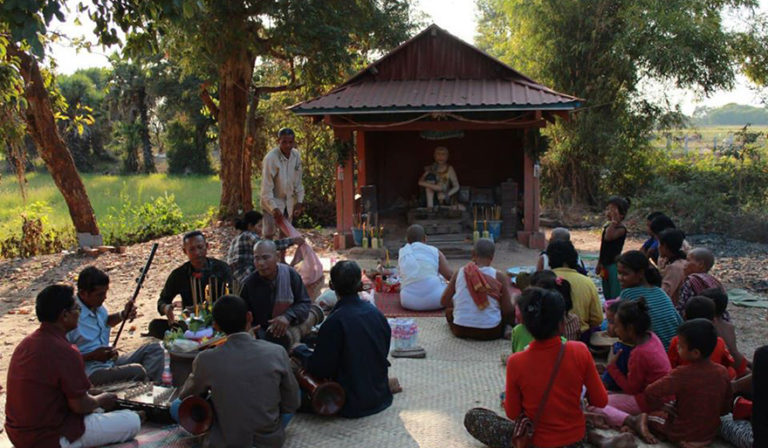
Leung Neak Ta Wat Atvea is a traditional Cambodian ritual held at Wat Atvea, a pagoda in Siem Reap province. The ceremony is dedicated to honoring the Neak Ta—local guardian spirits or deities believed to protect the temple and surrounding community.
03 July 2025
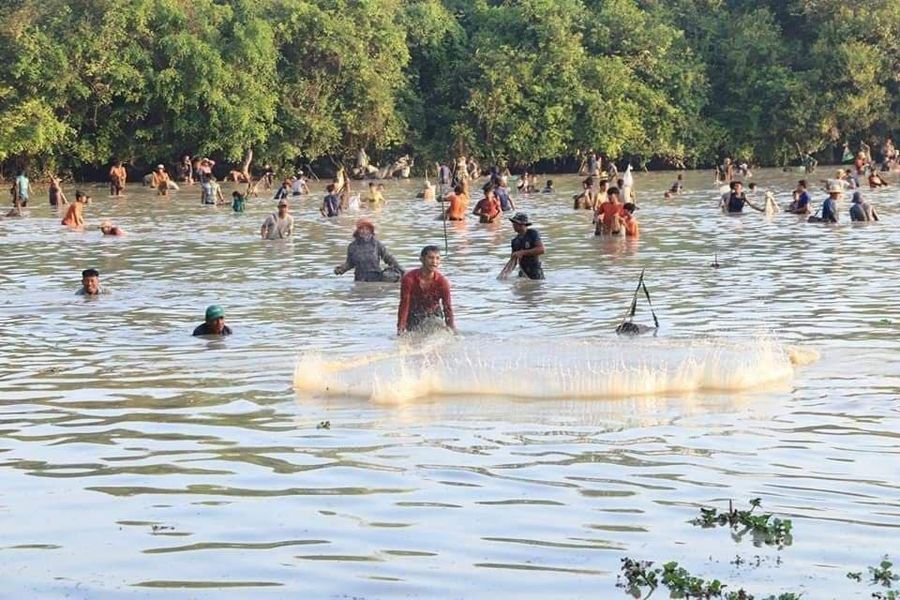
Discover an authentic Cambodian cultural treasure in Bangkong Village, where locals come together annually for a vibrant joint fish-catching ceremony.
03 July 2025
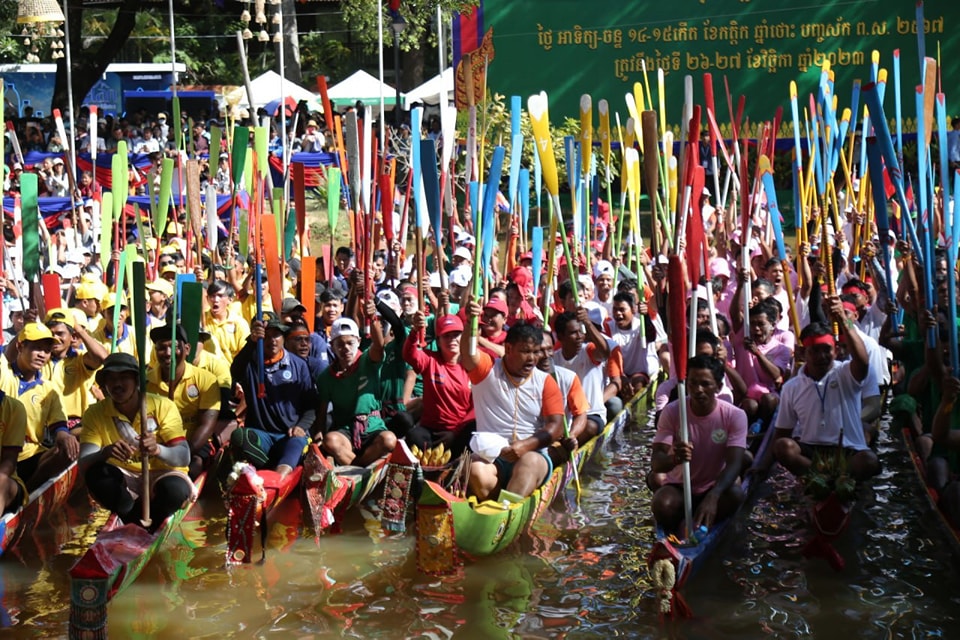
Siem Reap's Calendar of Festivities: Celebrating Local and International Events
24 December 2024
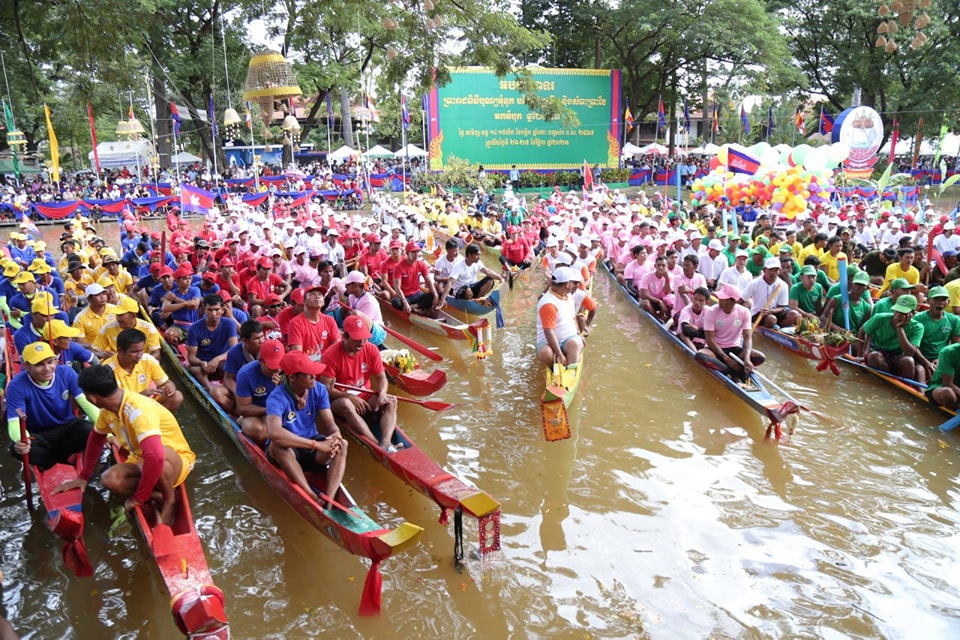
Bon Om Touk, also known as the Water Festival, is one of Cambodia's most vibrant and significant festivals.
23 December 2024
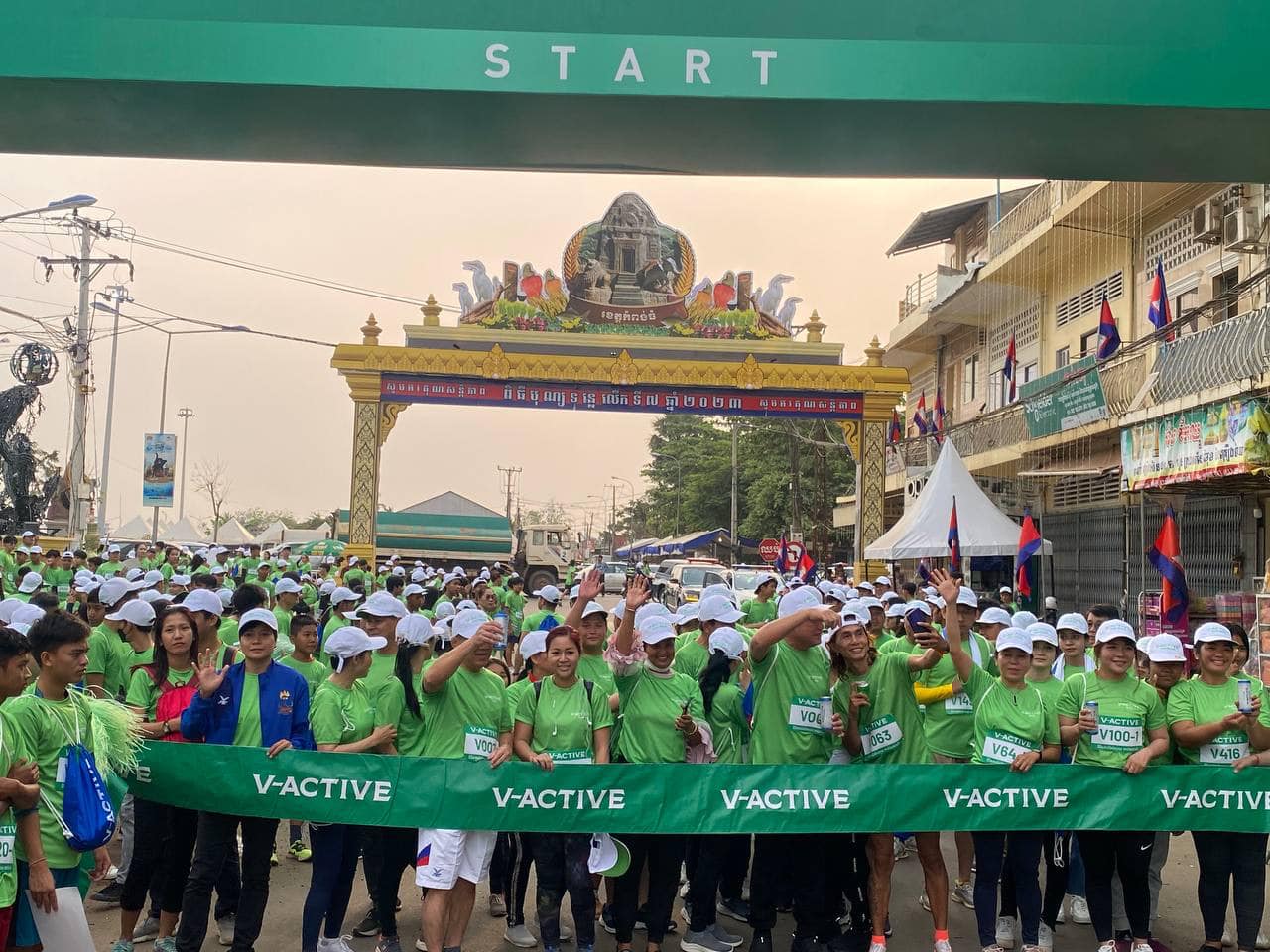
The River Festival, returning to Siem Reap for its 8th iteration in 2024, is a vibrant celebration that highlights the cultural, environmental, and economic significance of Cambodia's rivers.
23 December 2024
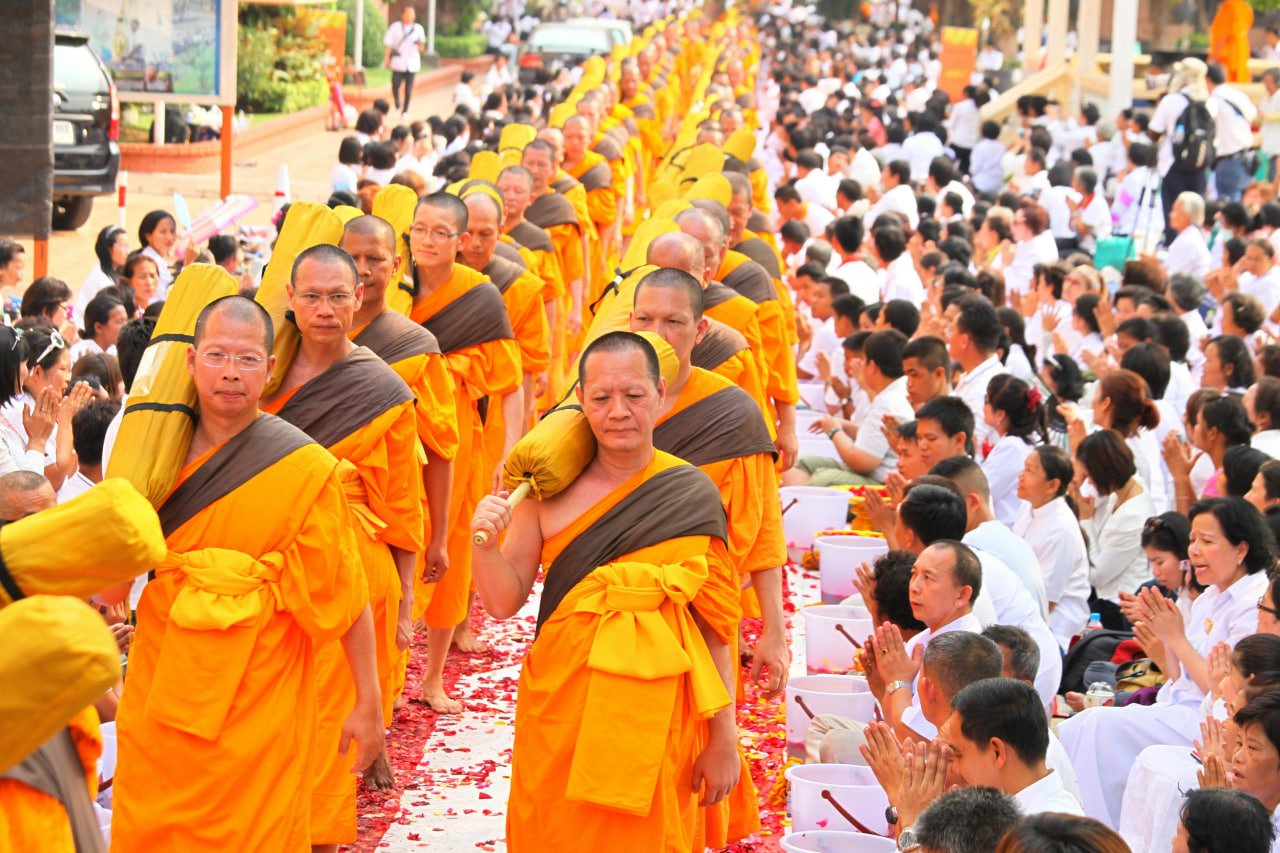
Celebrating Siem Reap: A Guide to Festivals and Events Siem Reap, the gateway to the ancient ruins of Angkor, is not only a historical treasure but also a vibrant hub of cultural festivals and events.
23 December 2024
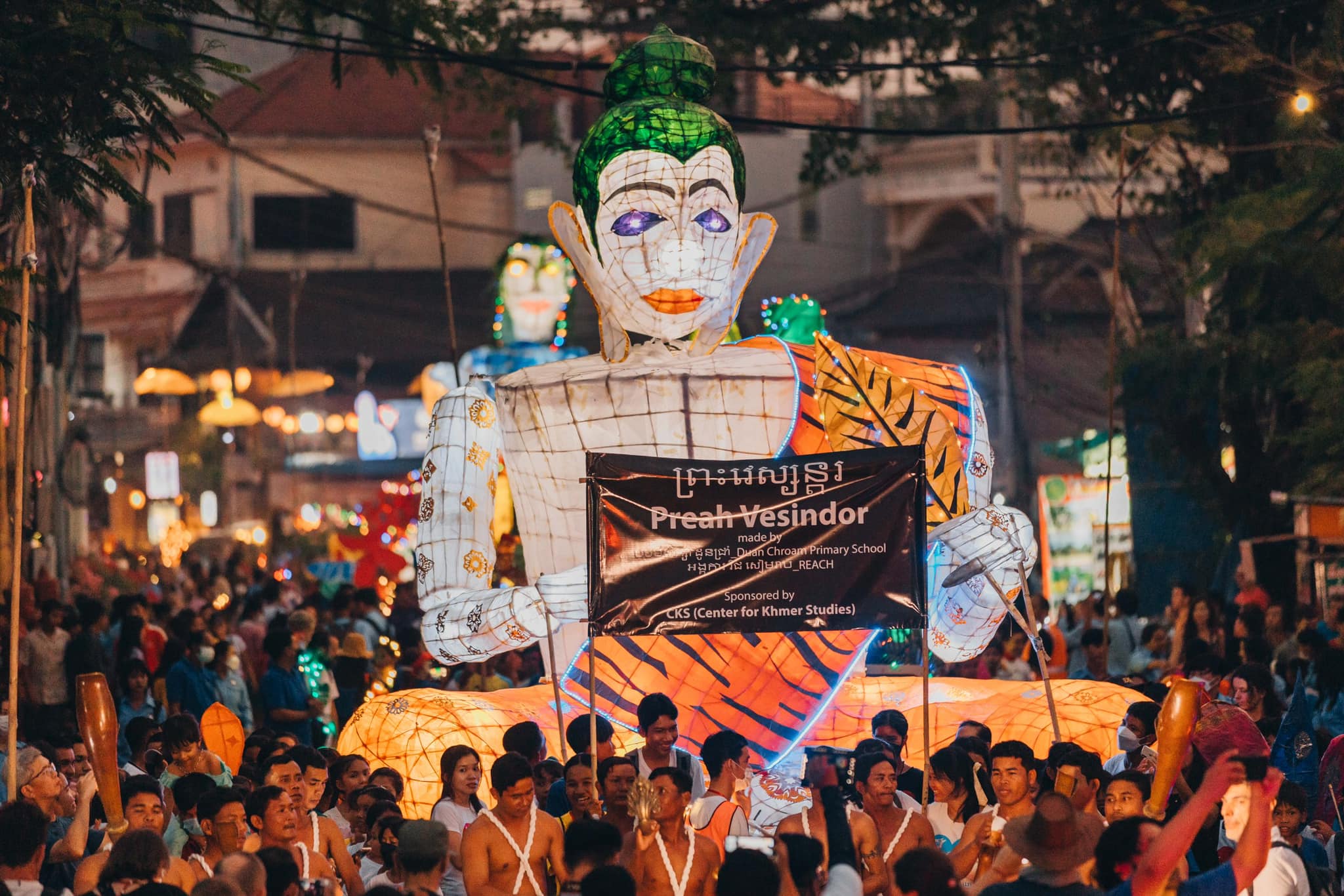
The Giant Puppet Project in Siem Reap stands as a remarkable annual event that illuminates the city with creativity, culture, and community spirit.
23 December 2024
Advertisement
Luxury Safari